Jonas Frank · 19 October 2026
Oral Histories from Multi-Generational Fishing Families Illuminate Decades of Change in Coastal Waters
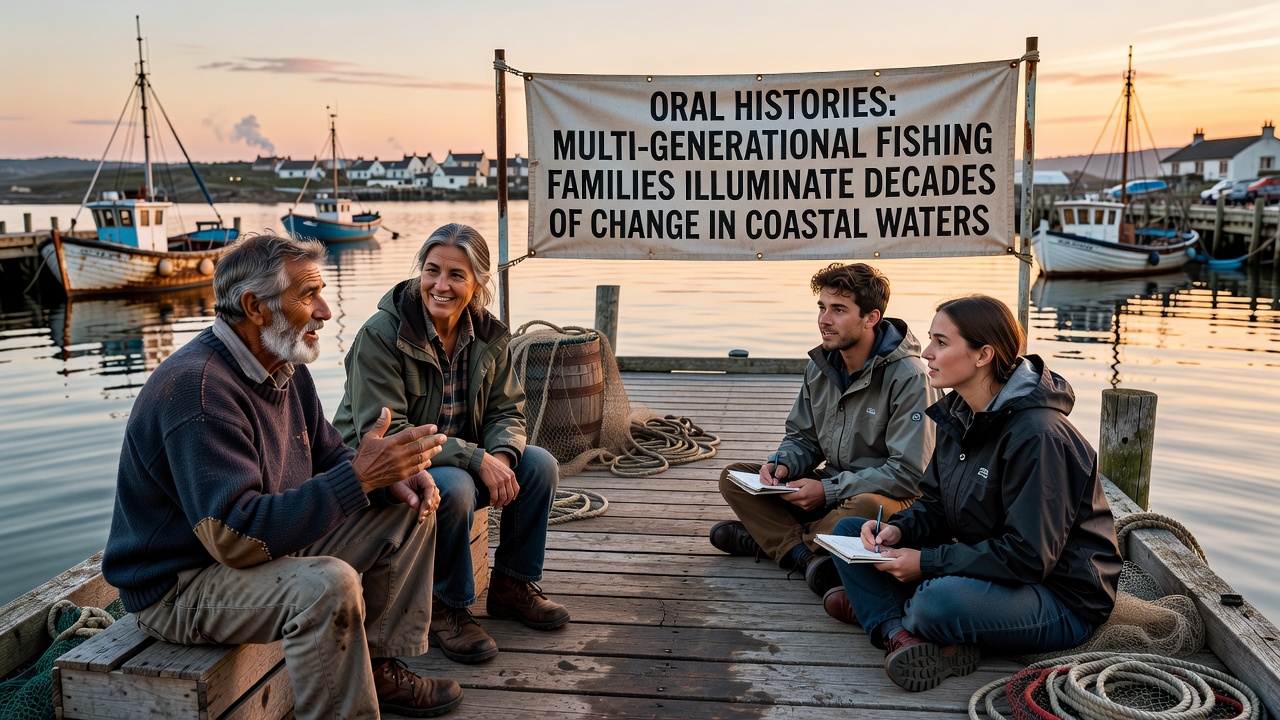
Multi-generational fishing families along various coastlines have preserved detailed accounts of shifts in marine environments through spoken narratives passed across generations, and these oral histories provide concrete records of alterations in fish stocks, water conditions, and habitat structures that span more than fifty years. Researchers have gathered interviews from families in regions including the Pacific Northwest, New England, and parts of the Gulf Coast, compiling evidence of consistent patterns such as earlier seasonal migrations and reduced populations of certain groundfish species. Data from these collections align with measurements from government monitoring programs that track temperature increases and salinity variations in nearshore areas.
Documented Shifts in Fish Populations and Habitats
Families describe how cod and haddock abundances declined sharply after the 1980s in areas where they once dominated catches, while species like black sea bass and summer flounder appeared more frequently in northern waters during later decades. One account from a family operating out of a Maine port notes that lobster traps now yield viable harvests at depths previously considered unproductive, a change corroborated by landing statistics from the National Oceanic and Atmospheric Administration that show northward range expansions. Interviews also record the disappearance of specific kelp beds and eelgrass meadows that once supported juvenile fish nurseries, with multiple narrators pinpointing the loss to periods of increased storm intensity and sediment runoff beginning in the mid-1990s.
These personal timelines match findings from long-term ecological surveys conducted by academic institutions, where core samples and diver observations confirm reductions in submerged vegetation cover by as much as forty percent in monitored bays. Families further recount alterations in predator-prey dynamics, including the arrival of invasive green crabs that compete for bait and damage gear, observations supported by field reports from state marine resource agencies.
Impacts of Regulatory and Technological Developments
Regulatory frameworks introduced in the 1970s and expanded through subsequent decades receive frequent mention in the oral records, with families detailing how quota systems and seasonal closures altered traditional fishing calendars and vessel operations. Narrators explain that electronic navigation and sonar equipment became standard by the late 1980s, allowing precise targeting yet contributing to higher discard rates before bycatch reduction rules took effect. A family from the Chesapeake region describes the transition from wooden to fiberglass hulls during the 1970s, noting accompanying changes in fuel efficiency and the ability to reach offshore grounds during shorter weather windows.
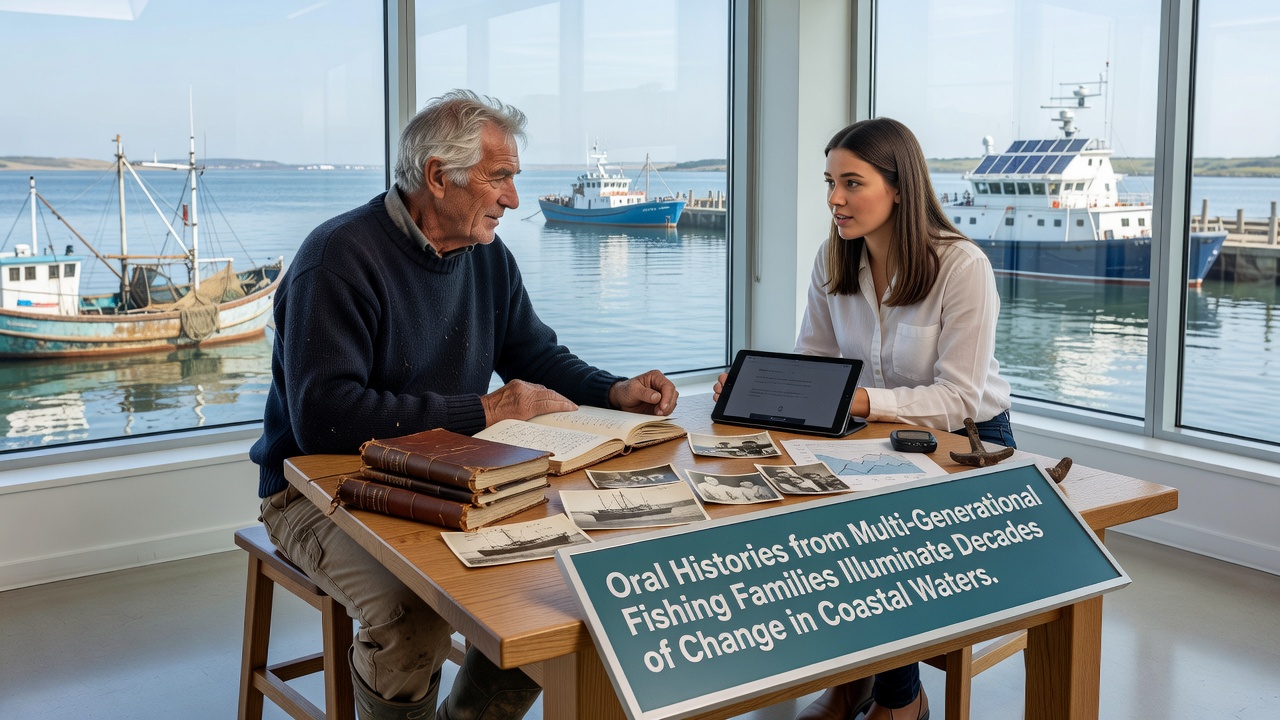
Additional accounts highlight the introduction of onboard refrigeration in the 1990s that extended trip durations and market reach, while also documenting corresponding increases in operational costs tied to rising fuel prices. These technological shifts appear alongside references to international agreements that limited foreign fleet access within exclusive economic zones, changes that redirected effort toward domestic stocks and prompted new conservation measures.
Environmental Indicators from Family Narratives
Water temperature anomalies and their effects on spawning cycles form recurring themes across the collected histories, with families reporting that certain species now enter estuaries weeks earlier than patterns observed by their grandparents. In October 2026, project archivists added new recordings from Gulf families that describe prolonged periods of low oxygen in bottom waters, conditions that force vessels to relocate sets and reduce daily yields during summer months. Salinity fluctuations linked to altered river discharge patterns receive similar attention, as narrators connect these variations to reduced catches of oysters and clams in traditional beds.
Community members have also noted increases in plastic debris and chemical residues encountered during routine operations, details that correspond with data compiled by the European Environment Agency on marine litter trends in comparable coastal systems. Such observations extend to changes in bird and marine mammal distributions, where families report sightings of species once considered rare now appearing regularly near fishing grounds.
Community Responses and Knowledge Transmission
Fishing families have adapted practices in response to these cumulative changes, including adjustments to gear configurations and the adoption of selective harvesting techniques that align with updated management plans. Oral histories capture instances where younger generations integrate satellite data and real-time oceanographic models alongside inherited knowledge of tidal patterns and bottom topography. Educational programs in several ports now incorporate excerpts from these family interviews to illustrate long-term ecological trends for new entrants to the industry.
Archival efforts continue to expand through partnerships with regional universities that digitize transcripts and cross-reference them against quantitative datasets from fisheries research centers in Australia and Canada. These combined resources support modeling efforts that project future distributions of commercially important species under varying climate scenarios.
Conclusion
The integration of oral histories with scientific monitoring data creates a layered record of coastal transformations that spans multiple generations and geographic areas. Families continue to contribute new accounts that fill gaps in formal datasets, particularly regarding localized events and behavioral adaptations not captured by standard sampling methods. Ongoing collection projects ensure that these narratives remain accessible for researchers and resource managers examining long-term marine ecosystem dynamics.