Jonas Frank · 2 November 2026
Fishing Heritage Book Fuels Student Projects on Coastal Ecosystem Changes
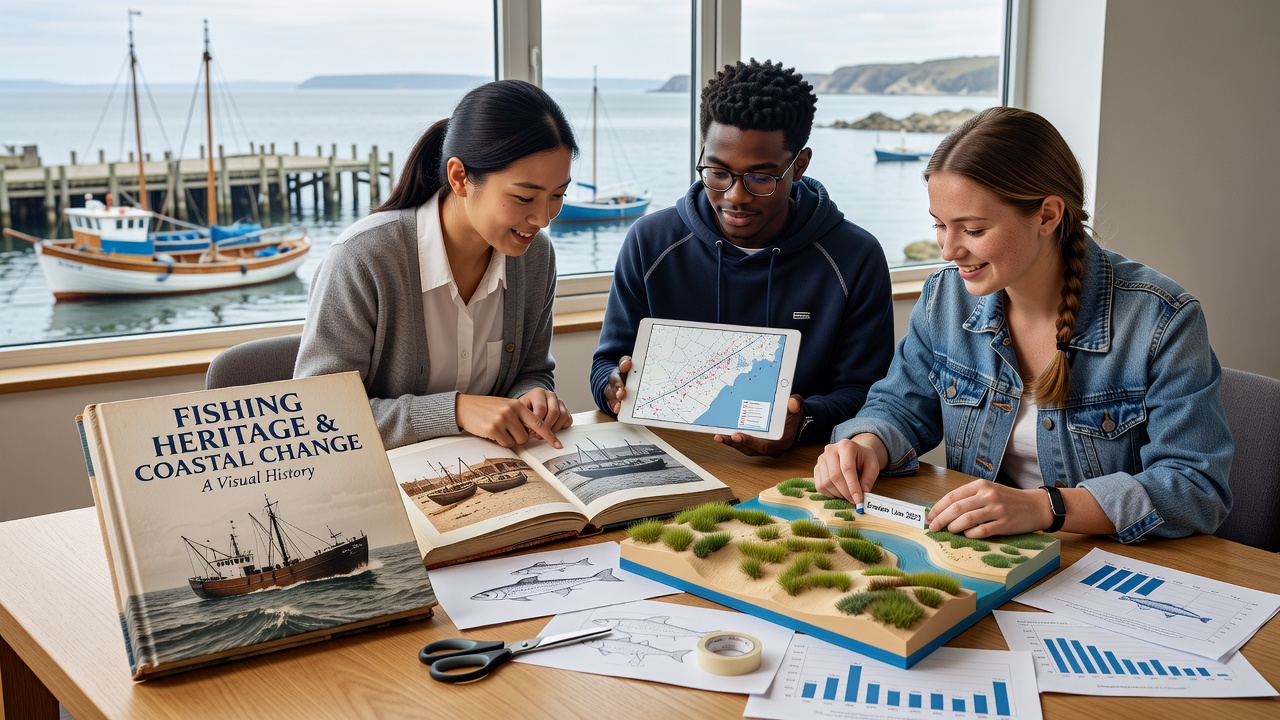
The publication compiles records from multi-generational fishing operations and pairs them with environmental observations that span more than sixty years, giving students concrete starting points for tracking shifts in water temperature, species distribution, and habitat structure along the coastline.
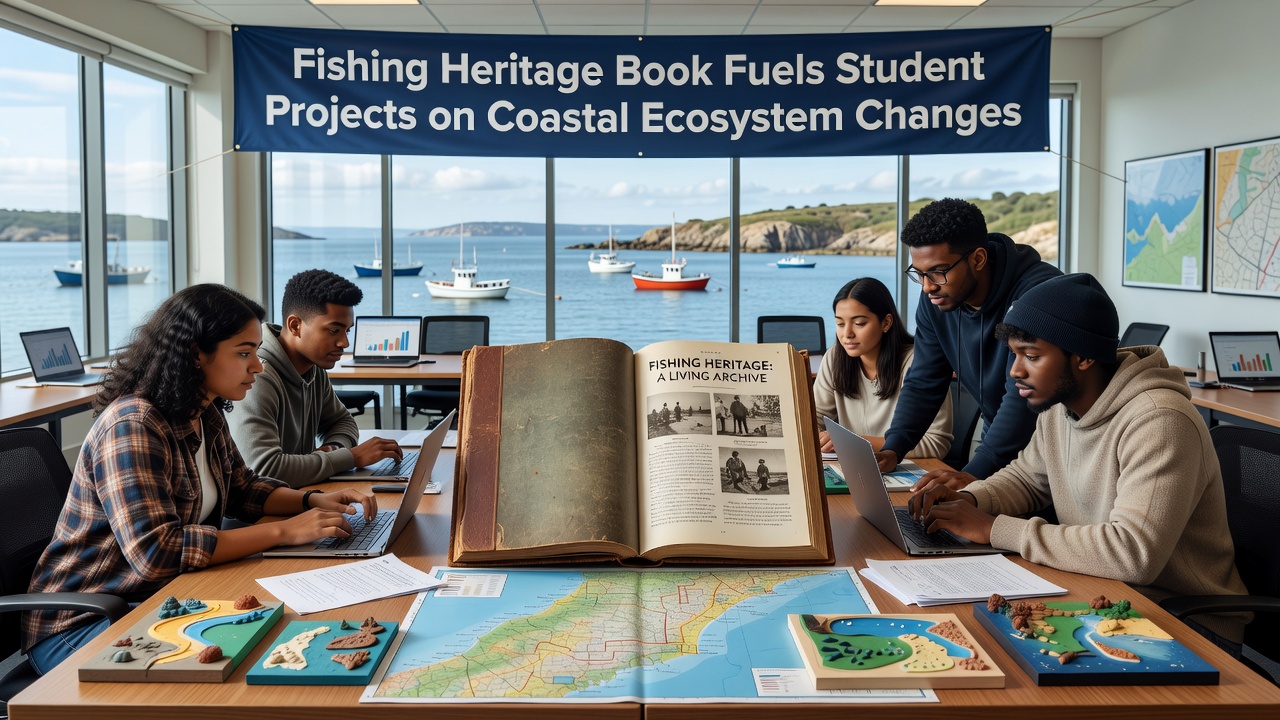
Local schools have integrated the material into semester-long research modules, where participants cross-reference the book's logs with current sensor readings and satellite imagery to quantify changes in nearshore conditions since the mid-twentieth century.
Historical Records Provide Baseline Data
Entries in the volume describe catch volumes, seasonal migration patterns, and weather events that affected daily operations, while accompanying notes mention changes in water clarity and the presence of specific forage species, and these details now serve as reference points that allow direct comparison with measurements collected in recent field surveys.
Students working in teams select subsections of the coastline and map the locations mentioned in the text against modern geographic information system layers, revealing areas where eelgrass beds have contracted or expanded over the recorded period.
November 2026 Project Presentations Scheduled
In November 2026 participating classes will deliver preliminary reports that combine the book's qualitative observations with quantitative data sets gathered from buoy networks and drone surveys conducted throughout the prior academic year.
One group focuses on temperature anomalies noted in the heritage accounts and correlates them with present-day readings supplied by regional monitoring stations operated under the National Oceanic and Atmospheric Administration.
Methods Combine Archival and Contemporary Sources
Participants digitize handwritten entries, assign geographic coordinates, and apply statistical models that identify trends in species abundance while controlling for variables such as fishing effort and regulatory changes, and the resulting visualizations illustrate both gradual shifts and abrupt events documented in the original text.
Another team examines references to storm impacts and compares them with tide gauge records maintained by the Australian Institute of Marine Science to assess whether the frequency or intensity of coastal disturbances has altered since the periods covered in the book.
Community Involvement Supports Ongoing Collection
Fishing families contribute additional logbooks and photographs that expand the original publication, creating an iterative archive that students update each semester with new sensor deployments and water sample analyses, and this cycle keeps the data set current while preserving the narrative context provided by earlier generations.
Workshops held at local libraries introduce younger researchers to archival handling techniques and basic ecological sampling protocols, ensuring consistent standards across successive cohorts of participants.
Conclusion
The fishing heritage book continues to anchor student investigations that link past observations with present measurements, and the projects scheduled for November 2026 will add another layer of documented change to the growing record of coastal ecosystem dynamics.